Why the Flying Wing Never Became a Passenger Airliner
This article explains why the flying wing design never entered commercial passenger service, and looks at new projects trying to bring it back.
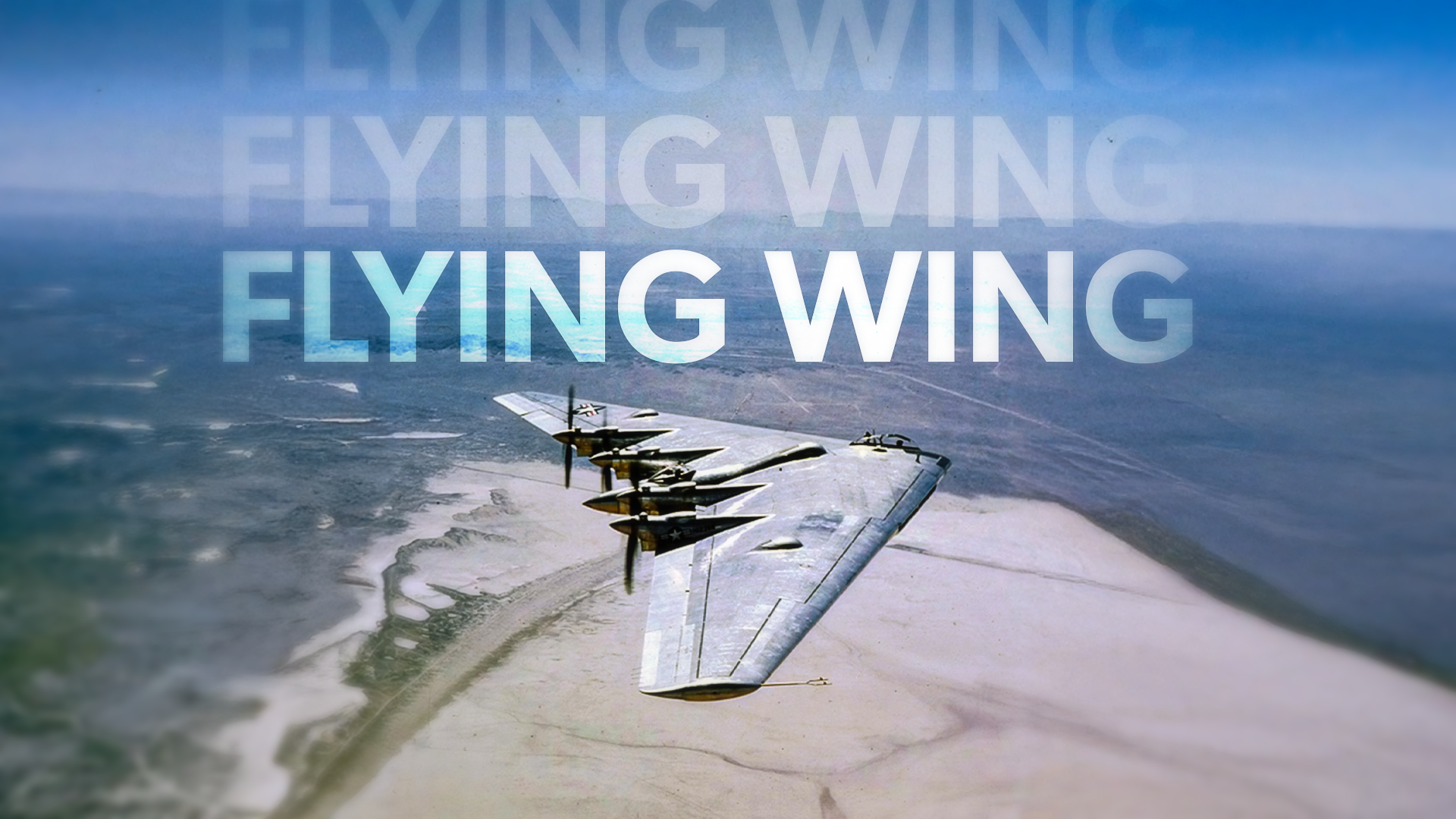
The flying wing promised better flight efficiency, but it never reached regular passenger flights. The story started with the YB-49, which first flew in 1947 and ended after a crash led to the program being cancelled.
What held the design back
The aircraft had no tall tail fin, so it was less stable in yaw and needed careful handling in rough air. Digital flight controls did not exist at the time, so pilots relied on mechanical linkages.
What has changed since
Digital fly-by-wire controls can correct stability continuously. The B-2 used this technology, and the B-21 builds on it. However, a military bomber does not need a passenger cabin, so these successes alone do not make a passenger airliner possible.
The challenges for passenger aircraft
A wide cabin faces problems with pressure loads and structure. It must also meet the rule of evacuating a full aircraft within 90 seconds using half the exits. Wide wings must also fit existing airport gates. JetZero is developing the Z4, a blended wing body designed for about 230 to 250 passengers. Its commercial service is targeted for the early 2030s, if testing and certification stay on schedule.
What this means for travellers
If these aircraft enter service, they could offer wider cabins, quieter flights and more fuel-efficient trips. But travellers will not see them soon, as the project is still in the testing stage.}
Source: Simple Flying This story is reported by the source named above and has been rewritten for our readers; the information in it is the source's responsibility. We pass on news as its sources publish it and cannot vouch for its accuracy. Please check the original story or the official body yourself before relying on any news for your travel plans.